
CHCW Health Observance: Stress Awareness & Spring Allergies
Understanding how stress affects allergy symptoms and how to support whole‑person wellness this season.
April marks two important themes for our community: Stress Awareness Month and the start of spring allergy season. While these may seem like separate issues, research shows a strong connection between emotional stress and the body’s inflammatory response—including how intensely we experience allergy symptoms. This month, we’re focusing on how stress and allergies influence one another and how individuals and families can find relief.

Why Symptoms Increase This Time of Year
As trees, grasses, and plants begin to bloom, pollen levels rise across Central Washington. For many people, this triggers seasonal allergic rhinitis—commonly known as hay fever. Symptoms may include:
- Sneezing
- Nasal congestion
- Itchy or watery eyes
- Postnasal drip
- Fatigue
- Coughing or throat irritation
Spring allergies can affect daily comfort, sleep quality, concentration, and overall well‑being. For individuals with asthma, seasonal allergens can also increase the risk of flare‑ups.
How Stress Makes Allergies Worse
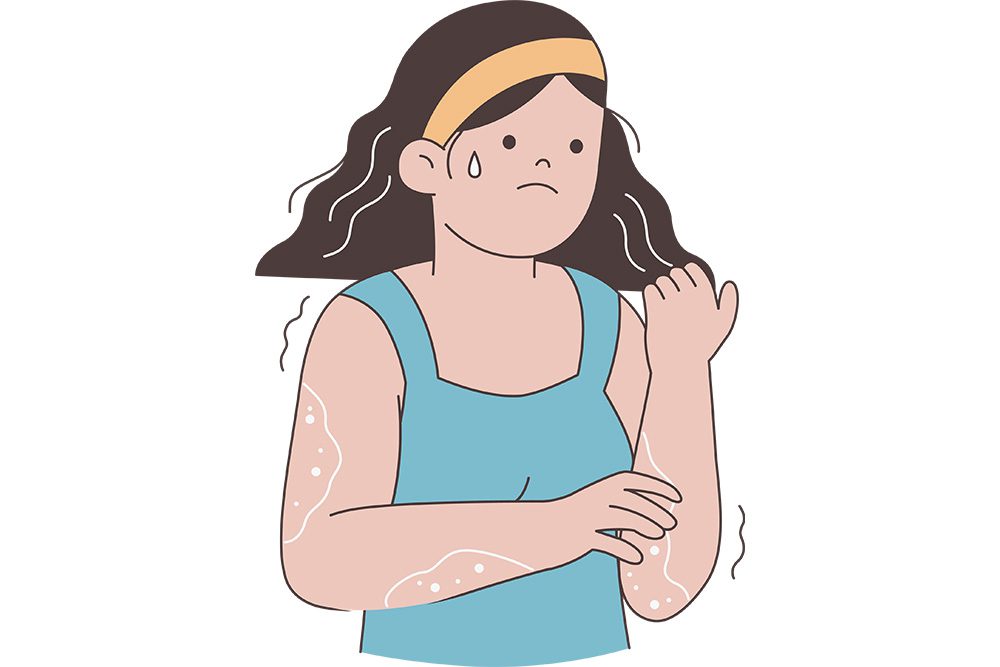
Increased inflammation:
Stress heightens the body’s inflammatory response, which can amplify congestion, itching, and swelling.
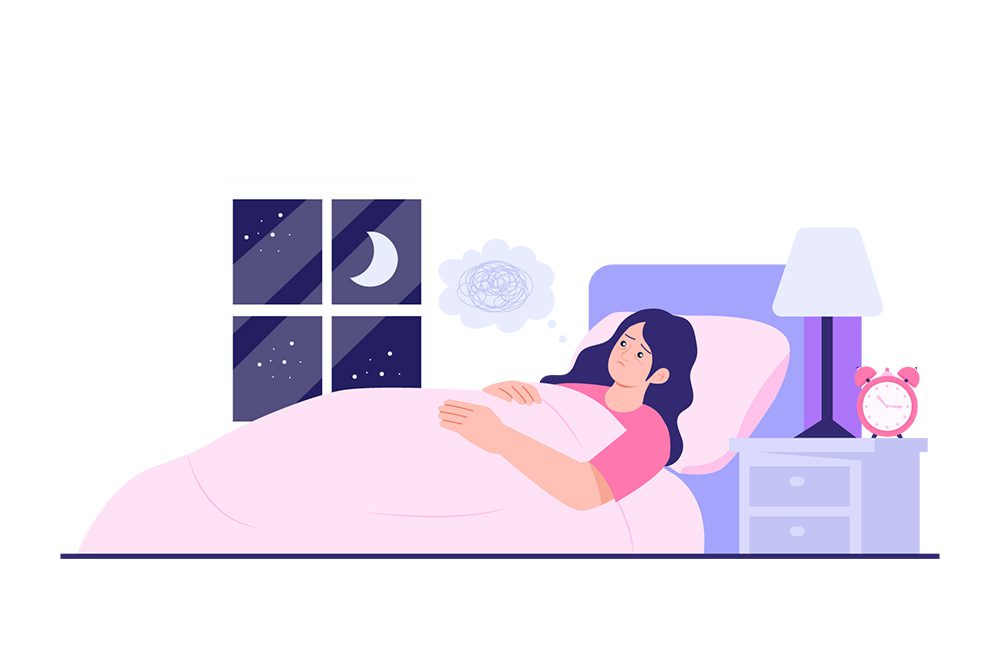
Poor sleep:
Stress-related sleep disruption can weaken the immune system and worsen symptoms.
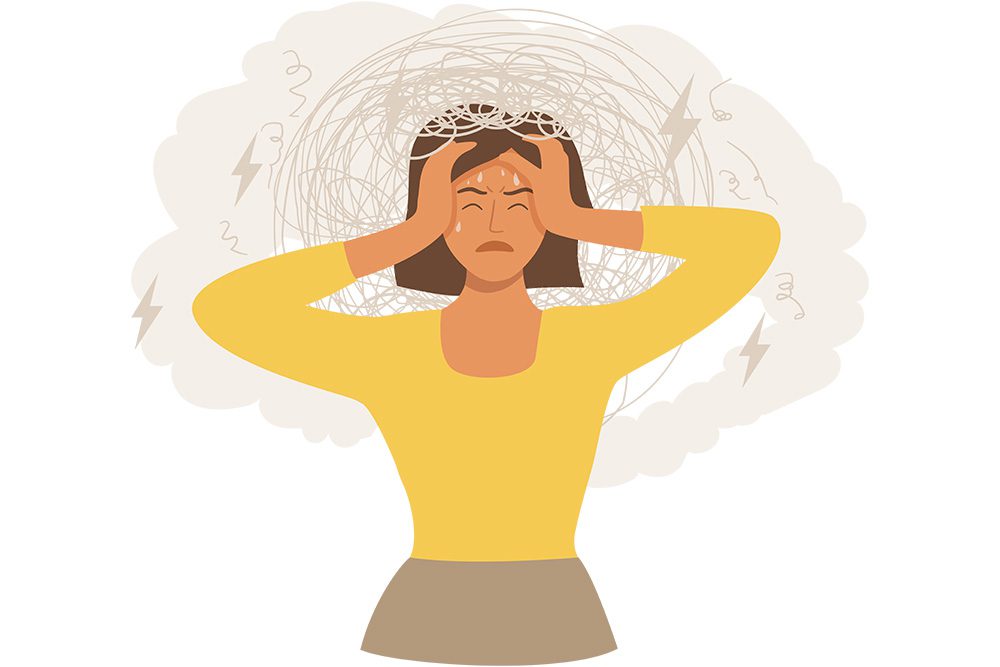
Lowered immune resilience:
Chronic stress may make the body more reactive to allergens.
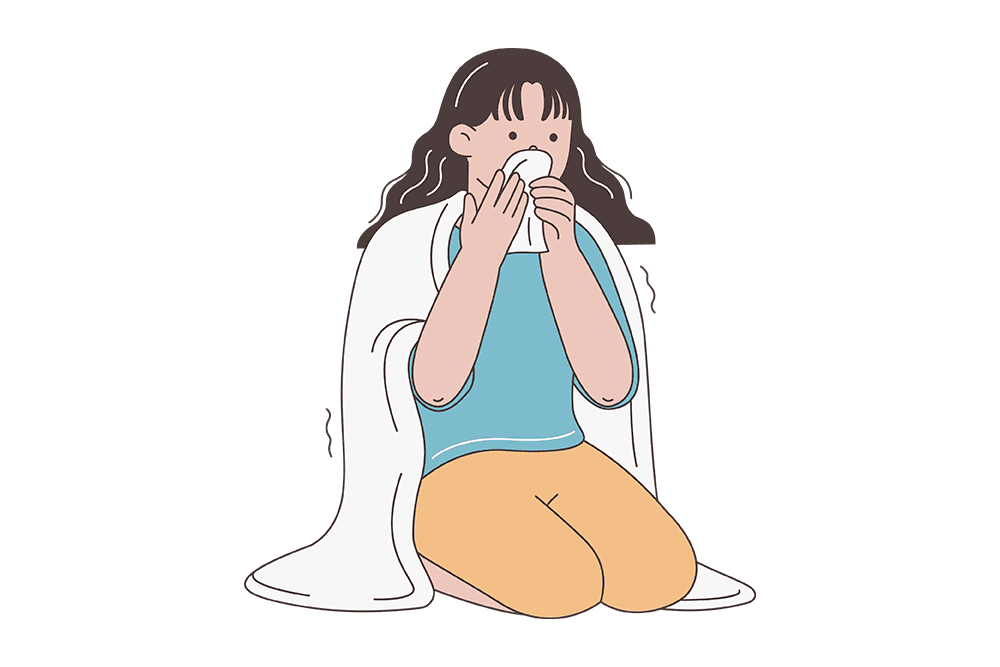
Heightened sensitivity:
When the nervous system is on high alert, the body may perceive allergens as more irritating than usual.

Strategies to Reduce Stress and Support Allergy Relief
Managing stress can help reduce the intensity of allergy symptoms and improve overall well‑being. CHCW encourages patients to explore simple, accessible practices that support both emotional and physical health.
- Mindfulness & Deep Breathing
- Gentle Movement
- Staying Hydrated
- Limiting Caffeine
- Connecting with Support

Practical Tips for Managing Spring Allergies
Alongside stress management, these steps can help reduce exposure to allergens and ease symptoms:
- Check daily pollen counts and plan outdoor activities accordingly
- Keep windows closed on high‑pollen days
- Shower and change clothes after being outdoors
- Use HEPA filters in the home
- Rinse nasal passages with saline to remove allergens
- Wash bedding weekly in hot water
- Avoid outdoor yard work during peak pollen hours (early morning)
For individuals with asthma, it’s especially important to follow your asthma action plan and keep rescue inhalers accessible.

Whole‑Person Care at CHCW
At CHCW, we understand that health is more than the absence of symptoms—it’s the balance of physical, emotional, and environmental well‑being. Our integrated care teams work together to support patients through:
- Allergy and asthma management
- Behavioral health support
- Mindfulness and stress‑reduction resources
- Preventive care and wellness visits
- Personalized treatment plans
If you’re experiencing persistent allergy symptoms, increased stress, or difficulty managing both, our providers are here to help. Together, we can create a plan that supports your whole health this spring.